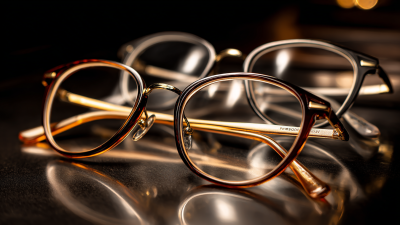
Picking the right manufacturer for original design eyeglasses isn't just about glancing at logos, prices, or factory photos. It’s about finding a partner who really gets it—someone who combines optical precision, knows their materials inside out, protects your unique design, and can keep production consistent. The best manufacturers can turn your sketches into actual, wearable frames without losing the soul of your original idea.
Tom Davies, the founder of TD Tom Davies and a seasoned eyewear designer, once said, “I design for the person, not the trend.” Honestly, that really sticks with me. An original frame should feel good on a real face, not just look good in a catalog shoot. It’s about striking the right balance—nose bridge fit, temple comfort, lens shape, hinge movement, and how well it holds up day-to-day. Sometimes, it’s the tiniest details that tell you how much care is being put into the work.
In this guide, we’ll look at ten manufacturers known for their original design skills, technical know-how, and solid production standards. Each one has its own strengths—one might excel at handcrafted acetate frames, another might be great with titanium or flexible hinges. Some provide extensive sampling support; others might be a bit more tricky to work with when it comes to revisions.
And that matters.
We’ll consider things like how original their designs are, their prototyping experience, material choices, quality control, customization options, minimum order requirements, and how reliable they are with deliveries. But don’t just judge by their slick websites—what really counts is communication with the factory, the accuracy of samples, and how they respond after you’ve placed your order. Sometimes the shiny photos don’t tell the full story.
Nobody’s perfect though. If a manufacturer has amazing finishes, they might be slower when it comes to developing new ideas. Conversely, some might get you frames faster but offer less creative guidance. It’s smart to question everything—ask for samples you can hold, test on real faces, and see how they perform under actual use. Think of this list as a good starting point, not the final decision—there’s always a bit of trial and error involved.
An original design eyeglasses manufacturer creates more than attractive frames. It develops a recognizable design language from sketches, material studies, and repeated fitting tests. Designers may adjust the bridge by a few millimeters after observing pressure marks on a wearer’s nose. They also study lens shape, temple balance, hinge movement, and long-term comfort.
Real manufacturing experience appears in the prototype stage. A strong factory can turn a hand drawing into a precise sample, then explain what must change. Acetate thickness, metal flexibility, surface finishing, and screw placement all affect daily performance. The process should include documented inspections, material traceability, and controlled testing. Reliable manufacturers welcome independent quality checks. They do not hide weak samples.
Originality is not only a decorative shape. It includes ownership of design files, thoughtful construction, and the ability to produce a consistent result at scale. A catalog may look impressive. It can still conceal repeated designs or unstable production. That deserves careful questioning. The best evaluation includes prototype reviews, color samples, hinge tests, and small-batch comparisons. Even experienced teams make mistakes. A temple may feel too tight, or a finish may appear uneven under bright light. Honest manufacturers record these failures and improve the next version. That practical response often defines originality more clearly than a fashionable sketch.
Original design manufacturing is evaluated through a combination of creative ownership, technical development, production capability, and responsible manufacturing. The chart uses a normalized 100-point editorial benchmark to show the relative importance of each criterion when comparing manufacturers, rather than ranking any specific company or brand.
Benchmark dimensions reflect common requirements in eyewear product development, including proprietary design work, prototyping, material expertise, quality control, customization, and compliance.
Choosing among original design eyeglasses manufacturers requires more than reviewing attractive frames. Grand View Research estimated the global eyewear market at approximately US$115.9 billion in 2023, with continued growth through 2030. This expansion increases supplier choices, but also makes verification harder. Ask for dated prototypes, material certificates, hinge-cycle results, and production photographs. Samples tell the truth. A polished sample can hide weak finishing or inconsistent alignment.
Design capability should be tested through measurable details. Examine acetate edge polishing, bridge comfort, temple symmetry, screw security, and lens-seat accuracy. Manufacturers should explain their tolerance limits and corrective process. ISO 12870 provides a useful reference for non-prescription spectacle frames, including durability and dimensional performance. For prescription products, request documented optical and safety controls before approving mass production. The World Health Organization reports that at least 2.2 billion people live with vision impairment, so comfort and reliable fit are not minor design features.
Commercial discipline matters too. Compare minimum order quantities, tooling ownership, lead times, defect allowances, and packaging tests. Protect original sketches through clear contracts and controlled file access. I would not judge a factory by one perfect prototype. Ask to inspect a small production batch instead. That step may expose color variation, loose hinges, or rushed polishing. No scoring system is flawless. A weighted review covering design skill, quality evidence, communication, compliance, and delivery history offers a more reliable decision than price alone. Sources: Grand View Research, Eyewear Market Size Report; World Health Organization, World Report on Vision; ISO 12870.
Original design eyeglasses manufacturers compete through fit, materials, durability, and visual identity. The market rewards useful design, not decoration alone. Grand View Research valued the global eyewear market at approximately USD 115.9 billion in 2022. Its forecast indicates continued growth through 2030. This scale creates opportunities for original design manufacturers. It also raises quality expectations.
Experienced manufacturers begin with documented user research. They test bridge width, temple pressure, hinge durability, and lens alignment. A frame should remain stable after hours of wear. Studio appearance is not enough. The World Health Organization reports that at least 2.2 billion people have near or distance vision impairment. This makes accessible sizing and prescription compatibility practical responsibilities. Manufacturers should disclose material composition, coating limits, adjustment procedures, and testing standards. Clear records build trust.
Small details reveal manufacturing experience. A smooth temple tip can reduce skin irritation. Balanced acetate helps prevent front-heavy slipping. Stainless steel requires controlled finishing around nose-pad mounts. Recycled content sounds promising, but its source needs verification. Many claims remain incomplete. The ISO 12870 standard offers a useful reference for spectacle-frame durability and safety testing. However, compliance alone cannot prove comfort. Original design succeeds when creative form survives real wear, repairs, and imperfect measurements. Not every bold frame deserves production.
Original Design Eyeglasses Manufacturers: Signature Design Approaches and Manufacturing Strengths
Original design manufacturers create more than attractive frames. They develop a recognizable visual language through proportions, materials, color, and finishing details. Some prefer thin titanium structures, while others explore bio-based acetate, sculpted temples, or distinctive bridge shapes. The strongest manufacturers connect creative direction with production discipline. Their design teams test balance, hinge movement, lens alignment, and long-term comfort before approving a sample. Details matter. A frame may look impressive on a screen but feel heavy after several hours of wear. That gap reveals whether the manufacturer understands real user experience.
Tips: Ask for prototype photos, material specifications, hinge testing results, and quality inspection procedures. Review the factory’s sampling process, not only its product catalog. Fit comes first.
Manufacturing strength also depends on flexibility. Reliable facilities can adjust colors, refine molds, and manage small design changes without losing consistency. Experienced technicians notice uneven polishing, weak temple pressure, and slight asymmetry. These observations often prevent larger quality issues. Still, no process is flawless. Even skilled teams may need several rounds to improve a complicated frame shape. That is not necessarily a weakness. Honest testing, clear records, and willingness to revise usually indicate professional responsibility. When selecting an original design eyeglasses manufacturer, examine both signature style and practical control. A memorable frame should also survive daily handling, repeated opening, and changing customer preferences.
The 10 best original design eyeglasses manufacturers usually begin with material discipline. High-quality acetate offers rich color depth, smooth polishing, and stable frame shaping. Titanium creates lightweight structures with excellent corrosion resistance. Stainless steel can support slim profiles, but it needs careful finishing around the nose bridge. Bio-based nylon may reduce weight, although its long-term durability requires practical testing.
Manufacturing technology separates attractive samples from reliable production. CNC machining can produce precise rims and temple details. Laser cutting supports clean metal patterns and controlled engraving. Three-dimensional printing helps teams test unusual shapes before opening expensive molds.
Skilled technicians should still inspect hinges, welds, surface coatings, and lens alignment by hand. Technology helps, but it does not replace experience.
Customization should cover more than colors. Buyers can request specific bridge widths, temple lengths, rim thicknesses, nose-pad materials, and surface textures. A useful manufacturer provides digital drawings, physical prototypes, and measurable tolerance reports. Ask for material documentation, production samples, and batch traceability before approving large quantities. Small details matter. A one-millimeter temple mismatch can affect comfort and perceived quality. I would also test frames after repeated opening and closing, not only during a showroom inspection. Some prototypes look perfect, yet feel unbalanced after several hours. That uncomfortable finding deserves attention, even when the design appears successful.
Selecting the right original design eyewear manufacturer starts with more than attractive samples. Study how the factory turns sketches into stable, wearable products. Ask for technical drawings, material specifications, hinge details, and a clear sampling schedule. A strong manufacturer should explain design limits honestly. That matters.
Request several prototypes, not one polished piece. Check frame balance, temple pressure, lens alignment, surface finish, and screw movement by hand. Try the glasses for a full day if possible. Small discomfort often becomes a serious return problem.
Review the manufacturer’s experience with acetate, stainless steel, titanium, or other intended materials. Their production equipment should match your design, not force your design into an existing mold.
Reliability appears in the details. Examine quality-control records, inspection procedures, packaging tests, and batch traceability. Confirm minimum order quantities, mold ownership, revision costs, lead times, and communication responsibilities in writing. Independent factory audits and relevant material documentation can reduce uncertainty, but paperwork is not proof of perfect production. A factory may pass an audit and still miss color consistency. I have found that small pilot orders reveal more than confident presentations. Compare actual samples with approved specifications, photograph every deviation, and leave time for corrections. The right partner welcomes precise questions and reports problems before shipment. That is real expertise.
It develops a recognizable design language through sketches, prototypes, and repeated fitting tests. Originality also includes owned design files and consistent production. A fashionable shape alone is not enough.
Review physical samples, color tests, hinge movement, and lens alignment. Check whether the factory records failures honestly. Small flaws show.
Examine bridge width, temple pressure, lens position, and overall balance. A one-millimeter temple mismatch can change comfort noticeably. The frame should remain stable after several hours.
Acetate offers rich colors, smooth polishing, and stable shaping. Titanium creates lightweight, corrosion-resistant structures. Stainless steel supports slim profiles but needs careful finishing around the bridge.
CNC machining creates precise rims and temple details. Laser cutting produces controlled metal patterns. Three-dimensional printing allows unusual shapes to be tested before expensive molds are made.
Useful options include bridge width, temple length, rim thickness, nose-pad material, and surface texture. Color choices alone are limited customization. Digital drawings and physical samples help prevent misunderstandings.
Request material records, inspection reports, tolerance data, and batch traceability. Compare several samples from the same production run. One sample can look excellent.
No. Durability testing can support safety evaluation, but it cannot prove long-term comfort. Wear the frame, open the hinges repeatedly, and inspect pressure marks.
Be cautious when designs look repetitive, material sources remain unclear, or weak samples are hidden. Uneven finishes may appear under bright light. Some promising prototypes still disappoint.
Original Design Eyeglasses manufacturers create distinctive eyewear concepts rather than simply reproducing existing styles. They combine creative design, practical engineering, reliable production, and consistent quality control to develop frames that reflect a clear visual identity. When evaluating a manufacturer, buyers should consider design originality, manufacturing experience, material quality, production capacity, communication, sampling efficiency, and the ability to meet required standards. A strong partner should also demonstrate flexibility in developing collections for different markets, face shapes, wearing needs, and price ranges.
Leading manufacturers may specialize in minimalist forms, bold statement frames, lightweight structures, sustainable materials, or technically advanced construction methods. Their strengths can include precision molding, refined finishing, digital prototyping, color development, and small-batch customization. Buyers should compare available materials, hinge and lens options, customization services, minimum order quantities, lead times, quality assurance procedures, and after-sales support. The right Original Design Eyeglasses manufacturer is one that balances creativity, durability, production reliability, customization capability, and long-term cooperation.